Datanami
 EnterpriseAI
 HPCwire Japan
 QCwire
 HPC & AI Wall Street
Graphics accelerators are gaining traction among cloud computing providers seeking to distinguish their product from the bevy of look-alike offerings. For customers who can transform the extra performance kick into increased productivity, this is a welcome trend. PEER1 is the latest cloud vendor to join this bandwagon by offering GPU-equipped servers through their Zunicore division.
 Zunicore’s GPU-based computing service will become generally available starting this July, when it will join the ranks of other cloud providers with GPUs in their portfolio, such as of SoftLayer and Penguin Computing.
HPC in the Cloud spoke with Greg Rusu, general manager of PEER1’s cloud division regarding the new offering.
Rusu pointed out that PEER1 has been offering dedicated GPU computing for the past 18 months, six months before Amazon began selling their quadruple extra large server. The recent news, however, comes from a new hourly billed, bare metal computing service, set to launch this July through their cloud-arm Zunicore. Currently still in beta, the process involves selecting physical servers, the amount of hours, what OS to use and which cloud resource pool to attach the nodes.
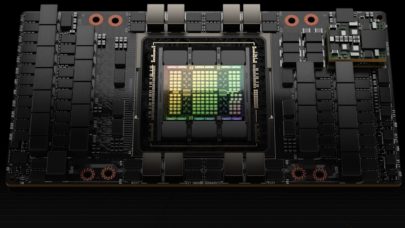
Servers are dual Xeon systems with a minimum 32GB of memory, 400GB local RAID storage with 10,000 RPM drives. NVIDIA Tesla M2050s and M2090s will provide for extra horsepower. Born from a hosting company, Zunicore will have the advantage of dedicating a 1Gbps Internet connection to each server.
Tipping their hat to those requiring instant gratification, the company claims a sub 15 minute provisioning time. Rusu also pointed out a feature aimed at flexibility: “If halfway through a rendering project or some sort of modeling on this end, you need to have additional GPUs brought online, it’s possible to do that. You just go get some more and those get provisioned and they show up in your private network.”
While the Zunicore service is not widely available, PEER1 has been supplying GPU compute power to a number of clients. Rusu mentioned a case involving an application on HBO’s True Blood website. End users upload an image of themselves, which then gets rendered into a clip of the show.
“That kind of technology is incredibly attractive to a lot of rendering companies that we work with,” he continued, “What they want to do is have incredibly short provision times so they can take rendering jobs, throw it on top of a GPU, have that stuff completed and brought back within an interactive session.”
It’s still unknown what financial impact Zunicor will have on PEER1’s bottom line. The ability to offer users short-term compute power without infrastructure investments is a primary advantage for cloud providers. “We are seeing a lot of demand and we are hearing a lot of demand. What we want to see is how does the true hourly billing work out financially.”
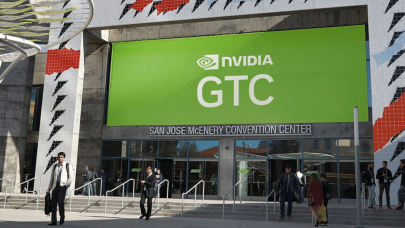
Zunicore will be demonstrating their offering next week at GTC.