Datanami
 EnterpriseAI
 HPCwire Japan
 QCwire
 HPC & AI Wall Street
While cloud computing is gaining traction for enterprise computing, the suitability of such centralized computing resources for meeting the demand for high performance computing (HPC) continues to be widely discussed and analyzed.
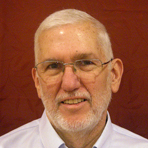
On September 26 – 27, 2011 cloud computing experts and end-users from around the world will gather at the ISC Cloud’11 Conference at the Dorint Hotel in Mannheim, Germany. The conference will focus on compute and data intensive applications, their resources needs in the cloud, and strategies on implementing and deploying cloud infrastructures. HPC in the Cloud spoke with Wolfgang Gentzsch, the chairman of the conference.
We will be live on-spot at the event during its duration but wanted to give a sense of what you can expect.
HPCc: Wolfgang, there are plenty of conferences in the cloud computing community already. What makes ISC Cloud special, so it is worth participating?
Wolfgang: To my knowledge, ISC Cloud is the only conference in our community with key characteristics like: solely addressing compute and data intensive applications and their resources needs in the cloud, and strategies on implementing and deploying cloud infrastructures; and, the conference is established for decision makers in research and industry; has only invited speakers with real hands-on experience in clouds, selected by a steering committee with world-renowned experts; is short enough so it fits easily in a busy week; and it continues the social evenings in the Mannheim region vineyards which the early ISC conferences were famous for.
HPCc: What are the main areas the conference is covering?
Wolfgang: High level, these are real use cases in industrial and in research clouds where we all can learn from, designing, building, and operating clouds, and many critical aspects like security, compliance, licensing, and more.
As examples, we’ll see presentations on “Building Hybrid Clouds for Academic Research at the institutional and National Level“, “Risk analyses for electric power systems running in the Cloud“, “Challenges in Building and Operating a Corporate HPC-Cloud for Distributed Organizations“ or “License Management in Cloud Computing Environments“. Ian Foster, will discuss how commercial cloud computing can lead to smarter science in his keynote on Monday.
Companies like mental images, Gazprom, T-Systems, and EADS will present cloud use cases together with their lessons learned and recommendations. And we will learn from cloud initiatives in research projects like the US FutureGrid, Mars as a Service, scientific workflows in the cloud, proteomic structure modeling, and about open cloud markets.
HPCc: This is a lot for two days. Is there anything else you want to mention?
Wolfgang: Sure, I could go on and on…For example, market analysts from The451 and from IDC will provide actual HPC Cloud market overviews; there is an exhibition with cloud vendors and service providers; we’ll have a great panel of 12 (!) cloud vendors orchestrated by Mr. ‘Crossfire’ Addison Snell; and there will be another famous evening trip up to the near-by vineyards. There are just two weeks left until the conference begins but you can still register.
HPCc: Thanks, Wolfgang, this all sounds very promising. See you in Mannheim.
*Note–for a more detailed idea of some of the larger concepts that will be addressed, see our interview with Ian Foster about his keynote address at ISC Cloud.