Datanami
 EnterpriseAI
 HPCwire Japan
 QCwire
 HPC & AI Wall Street
This week brought great news for small animation filmmakers around the world following the announcement that Pixar’s proprietary rendering software would soon be delivered via the cloud.
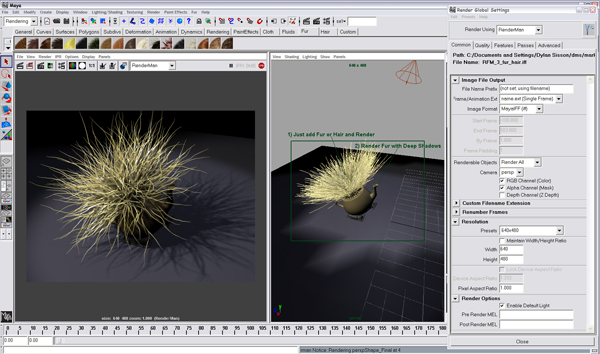 One of the most talked about cloud-based supercomputing application development startups this year, GreenButton, has announced that it has partnered with Pixar studios to enable web-based access to its famous RenderMan software.
RenderMan has been at the root of some of the most popular animated films in the last decade, including Cars, Lord of the Rings and Avatar.
GreenButton has scored over $1 million in funding from big names in technology, including Microsoft to develop applications that can be built into SaaS applications running on hosted HPC resources. Furthermore, the RenderMan software will reside on the Windows Azure cloud computing platform, enhancing Microsoft’s cloud visibility by bringing more developers, designers and other tech-savvy creatives into its fold.
As GreenButton’s CMO stated, the company plans to rent out the RenderMan software and processing power to users over the internet and split the revenue with Pixar. The report went on to note that “the software and computing grunt needed to power it had traditionally been beyond the budgets of small to mid-tier animation and visual effects firms or one-man operations.”
All talk about the actual license and usage costs aside (those details are still shrouded), this could spark a new era of high-end filmmaking by smaller companies, bringing an explosion of new, expertly animated and rendered entertainment.